 EN
EN AR
AR NL
NL FR
FR DE
DE IT
IT PT
PT RU
RU ES
ES
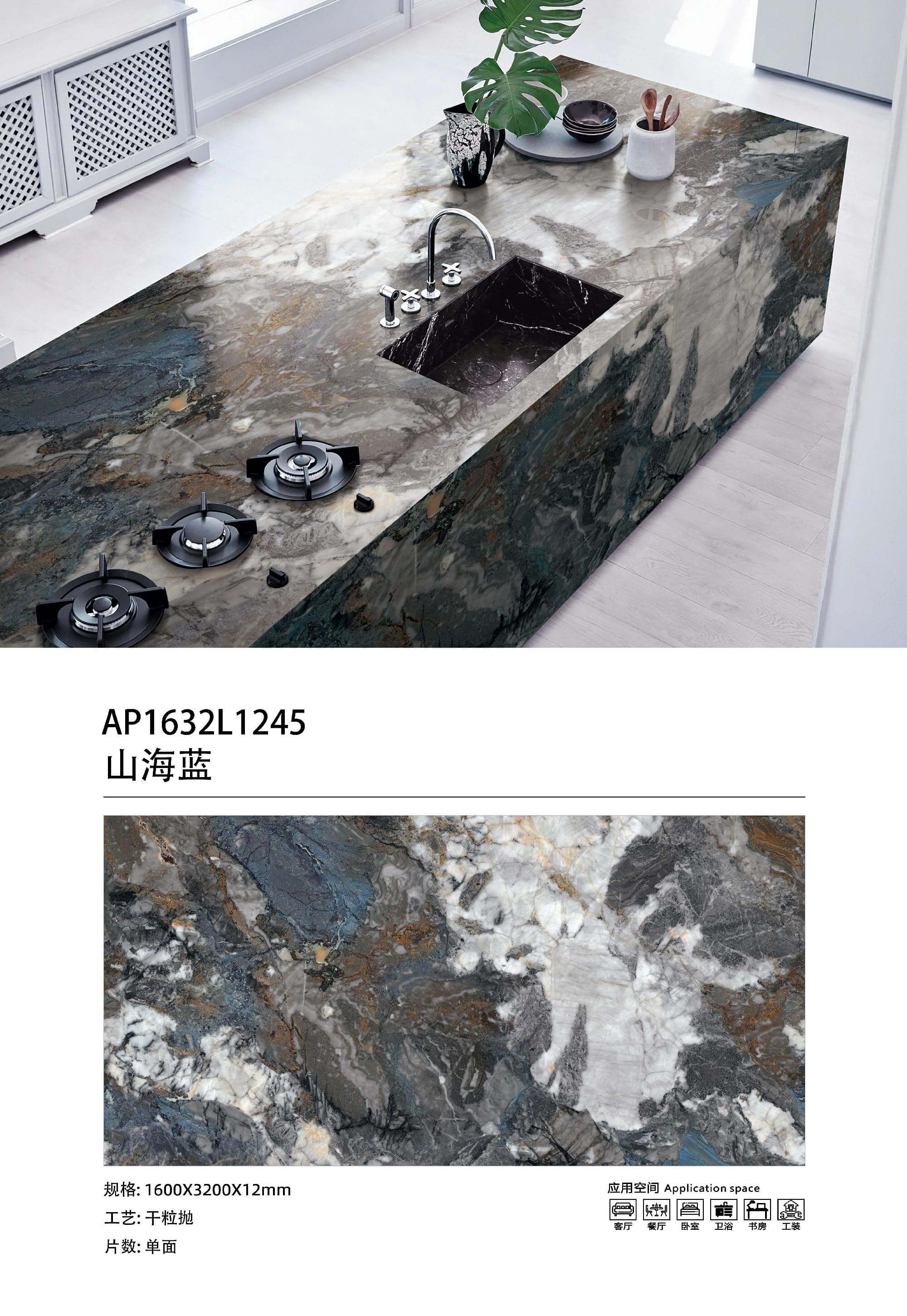
What Makes Sintered Stone Countertop Inherently Durable?
Manufacturing Process: High-Pressure and High-Temperature Sintering
What makes sintered stone countertops so tough? Well, it all comes down to how they're made. The process involves squeezing mineral particles together under around 15,000 pounds per square inch while heating them past 1300 degrees Celsius. This intense treatment basically welds everything together at the molecular level, resulting in something solid without any weak spots or tiny holes. Research into these high heat processes shows that the finished product ends up about 30 percent denser than regular granite, which means no little gaps for spills or germs to hide in. And real world testing proves this stuff can handle pretty much anything thrown at it. Boil water on it? No problem. Freeze something? Still holds up. These countertops stay stable whether in a cold walk-in fridge or near a hot oven, working reliably across temperatures ranging from minus 30 degrees all the way up to 300 degrees Celsius.
Non-Porous Composition and Resistance to Environmental Stressors
Sintered stone has no pores at all, which creates a surface that just won't let liquids soak in, stands up to UV rays, and doesn't invite microbes to settle down. Tests reveal it absorbs less than 0.02 percent water after sitting for a whole day, making it about 100 times better at resisting moisture compared to regular natural stones. What this means practically is that when something acidic gets spilled on it, it won't leave marks behind. Sunlight can't fade colors either, so countertops stay looking fresh longer. And since bacteria find it hard to take hold, these surfaces are actually safer for areas where food is prepared.
Real-World Performance: Longevity in High-Use Residential Kitchens
Researchers tracked 200 homes over five years and discovered something interesting about sintered stone countertops. These surfaces kept almost all their original look (about 98%) even after regular cooking activities day after day. Most other countertop materials need yearly sealing treatments or specific cleaning products, but not this one. Just plain soap and water works wonders for keeping them spotless. When it comes to durability, tests show these stones can handle quite a bit of punishment too. They survive impacts equivalent to dropping a heavy cast iron pan from typical counter height without showing any chips or cracks.
Heat, Scratch, and Impact Resistance of Sintered Stone Countertop
Performance Under Heat: Boiling Pots, Open Flames, and Thermal Shock
The reason sintered stone can handle so much heat has everything to do with what it's made of and how it's produced. We're talking pure minerals here, not some composite material like quartz countertops that have these resin binders inside them. Those resins start breaking down once things get warm around 150 degrees Celsius according to Kingsun Tile research from last year. But sintered stone? That stuff stays cool even when exposed to temperatures as high as 300 degrees without showing any signs of damage or color change. Put a hot pan straight onto the surface and there won't be any need for those little ceramic trivets people always forget about. Manufacturers run all sorts of thermal shock tests too, basically freezing the material then heating it up repeatedly. The results? No cracks form even after going from minus 30 degrees all the way up to 100 degrees Celsius, something that happens regularly in regions where winters are harsh but summers bring intense heat.
Scratch Resistance: Knives, Utensils, and Daily Kitchen Wear
Sintered stone ranks around 7 to 8 on the Mohs hardness scale, which puts it above stainless steel that scores about 5.5 Mohs. Most granite types fall between 6 and 7 Mohs, so sintered stone either keeps pace with or actually beats them in terms of hardness. Tests done by independent labs simulate over a decade of regular knife cutting and found just 0.01 mm of surface wear after all that time. That's roughly half as much damage compared to quartz surfaces under similar conditions. The material's non porous nature is another plus point since it stops those tiny scratches from becoming bacterial hideouts. This makes kitchens and other food prep spaces significantly cleaner and safer for daily use.
Structural Integrity: Can Sintered Stone Chip or Crack Under Impact?
While highly resistant to compression (50 MPa strength rating), sintered stone edges remain vulnerable to chipping from blunt force. Controlled impact testing shows:
| Impact Force | Result |
|---|---|
| 1.1 lb weight dropped 12" | Minor edge chipping |
| 5 lb pan dropped 24" | 2–3 mm field crack |
Preventative measures like rounded edges or 20 mm thickness reduce fracture risks by 72% according to surface durability studies. For high-traffic kitchens, pairing sintered stone with impact-absorbing underlayments extends lifespan beyond 25 years.
Stain, Water, and Chemical Resistance: Maintaining a Pristine Surface
Why Spills Don’t Penetrate: The Non-Porous Advantage
What makes sintered stone so tough starts with how it's made - basically pressing together natural minerals at super high temps to create a surface that doesn't have any tiny holes. Granite and marble are different because they actually do have these microscopic gaps where liquids can sneak in over time. According to some research from NSF International back in 2023, sintered stone only absorbs about 0.4% of water, which means coffee rings and wine accidents just sit on top without going anywhere. And since there's no place for germs to hide inside the material itself, homeowners don't need to worry about applying those harsh chemical sealers that other stones require regularly. Makes sense why so many people prefer it for kitchens and bathrooms these days.
Resistance to Common Stains: Coffee, Wine, Oils, and Acids
Because of its tight grain structure, this material stands up pretty well against common messes around the house such as coffee spills, red wine accidents, and even those tricky acidic citrus drinks. According to tests run by the Tile Council of North America back in 2024, samples left sitting in vinegar or olive oil for a whole day didn't show any lasting stains at all. Quartz countertops tell a different story though when put through similar tests they tend to pick up some subtle color changes after being exposed to these substances. Getting things clean again is actually quite straightforward just grab any basic pH neutral cleaner and wipe away whatever's on there. No need for harsh abrasives or special cleaning solutions that cost extra money.
Low Maintenance Needs Compared to Natural Stone
Stone surfaces need regular sealing every year plus careful attention when spills happen to avoid those nasty etch marks. According to research from Home Innovation Labs back in 2023, sintered stone cuts down on all this hassle by around 80%. People who own these surfaces say they spend only about ten minutes each week keeping things clean compared to nearly an hour for traditional porous stones. Over time, this adds up to real money saved too roughly $240 less spent on sealers, special cleaning products, and repairs that might be needed after years of wear and tear.
Sintered Stone vs. Other Countertop Materials: A Durability Comparison
Sintered Stone vs. Granite: Porosity, Sealing, and Cracking Risks
Granite definitely has that natural look most people love, but let's face it - those pores need sealing at least once a year to keep out wine spills and oil stains. Sintered stone doesn't have this problem because it just doesn't absorb anything, not even water after all these years on the market. Both can take some scratching without issue, but when something really heavy hits the surface, the engineered consistency of sintered stone means fewer cracks forming around those veins that granite naturally develops over time. Makes sense why so many are switching these days.
Sintered Stone vs. Quartz: Hardness, Heat Tolerance, and UV Stability
Quartz countertops contain around 7 to 10 percent resin binder material, which starts to break down when exposed to temperatures over 150 degrees Fahrenheit, resulting in those annoying permanent scorch marks we all dread. On the other hand, sintered stone has this amazing heat resistant quality that lets it handle direct contact from boiling hot pots right off the stove without any discoloration issues. While both materials stand up pretty well against scratches, there's one big difference worth mentioning. Sintered stone maintains its color integrity even under UV exposure, making it much better suited for outdoor kitchen applications. Quartz tends to develop that unpleasant yellow tint after sitting in sunlight for extended periods, something most homeowners would rather avoid.
Lifetime Value: Higher Upfront Cost vs. Long-Term Savings
Though sintered stone costs 15–20% more upfront than quartz or granite, its 20+ year lifespan with minimal upkeep offsets initial investments. Unlike granite (annual sealing: $200–$400/year) or quartz (heat damage repairs: $500+/incident), sintered stone requires only basic cleaning—saving homeowners $3,800+ in maintenance over a decade based on 2023 remodeling industry data.
Best Practices for Caring for Your Sintered Stone Countertop
Daily Cleaning and Recommended Products
A good habit is wiping down surfaces every day using a soft microfiber cloth along with some warm water to get rid of those pesky crumbs or spilled liquids. When dealing with really stubborn spots from coffee rings or oil marks, mix up a little bit of mild dish soap with water instead of going full strength. Stay away from anything abrasive that might scratch the surface or strong cleaners such as bleach since these tend to make finishes look worn out after repeated use. Speaking from experience, making a simple baking soda paste works wonders for tough grime too. Just spread it onto problem spots before bedtime and rinse off in the morning for great results without damaging the surface at all.
Avoiding Edge Damage in High-Traffic Areas
Though sintered stone resists chipping better than granite, repeated impact near unprotected edges can cause microfractures. Use silicone mats under blenders or heavy appliances, and avoid dragging cast-iron pans across corners. In breakfast bar zones, consider rounded edge profiles to minimize accidental bumps from bags or elbows.
Preserving Surface Integrity Over Time
The non porous nature of sintered stone means it resists stains pretty well, but there is one catch worth mentioning. If placed near those big south facing windows where sunlight beats down all day long, some fading might happen after about a decade or so. For kitchen owners, this isn't usually a major concern unless they have exceptionally bright southern exposure. When it comes to heat resistance, always grab those heat trivets before placing anything hotter than 300 degrees Fahrenheit on the surface. Thermal shock can be a real problem here. But don't worry too much if something accidentally drops onto the counter while still warm from the stove top. The material holds up surprisingly well against brief heat contact. What really sets sintered stone apart from regular natural stones like granite or marble? No need for periodic sealing treatments. This absence of maintenance requirements makes a huge difference when calculating long term costs for homeowners looking at replacement cycles and ongoing care expenses.
FAQ
What is sintered stone?
Sintered stone is a man-made material created by compacting and heating natural minerals under high pressure and temperature to produce a dense, durable surface without any resins or binders.
How does sintered stone compare to granite?
Unlike granite, sintered stone is non-porous, doesn't require sealing, and is more resistant to heat and impact. It also offers consistent strength and fewer cracking risks compared to natural veins found in granite.
Is sintered stone easy to maintain?
Yes, sintered stone requires minimal maintenance. Wiping with soap and water is usually sufficient, and unlike other stones, it doesn't need periodic sealing.
Can sintered stone be used outdoors?
Yes, because of its UV stability and resistance to extreme temperature changes, sintered stone is well-suited for outdoor applications, unlike quartz which may discolor under prolonged exposure to sunlight.
Table of Contents
- What Makes Sintered Stone Countertop Inherently Durable?
- Heat, Scratch, and Impact Resistance of Sintered Stone Countertop
- Stain, Water, and Chemical Resistance: Maintaining a Pristine Surface
- Sintered Stone vs. Other Countertop Materials: A Durability Comparison
- Best Practices for Caring for Your Sintered Stone Countertop
- Daily Cleaning and Recommended Products
- Avoiding Edge Damage in High-Traffic Areas
- Preserving Surface Integrity Over Time
- FAQ