 EN
EN AR
AR NL
NL FR
FR DE
DE IT
IT PT
PT RU
RU ES
ES
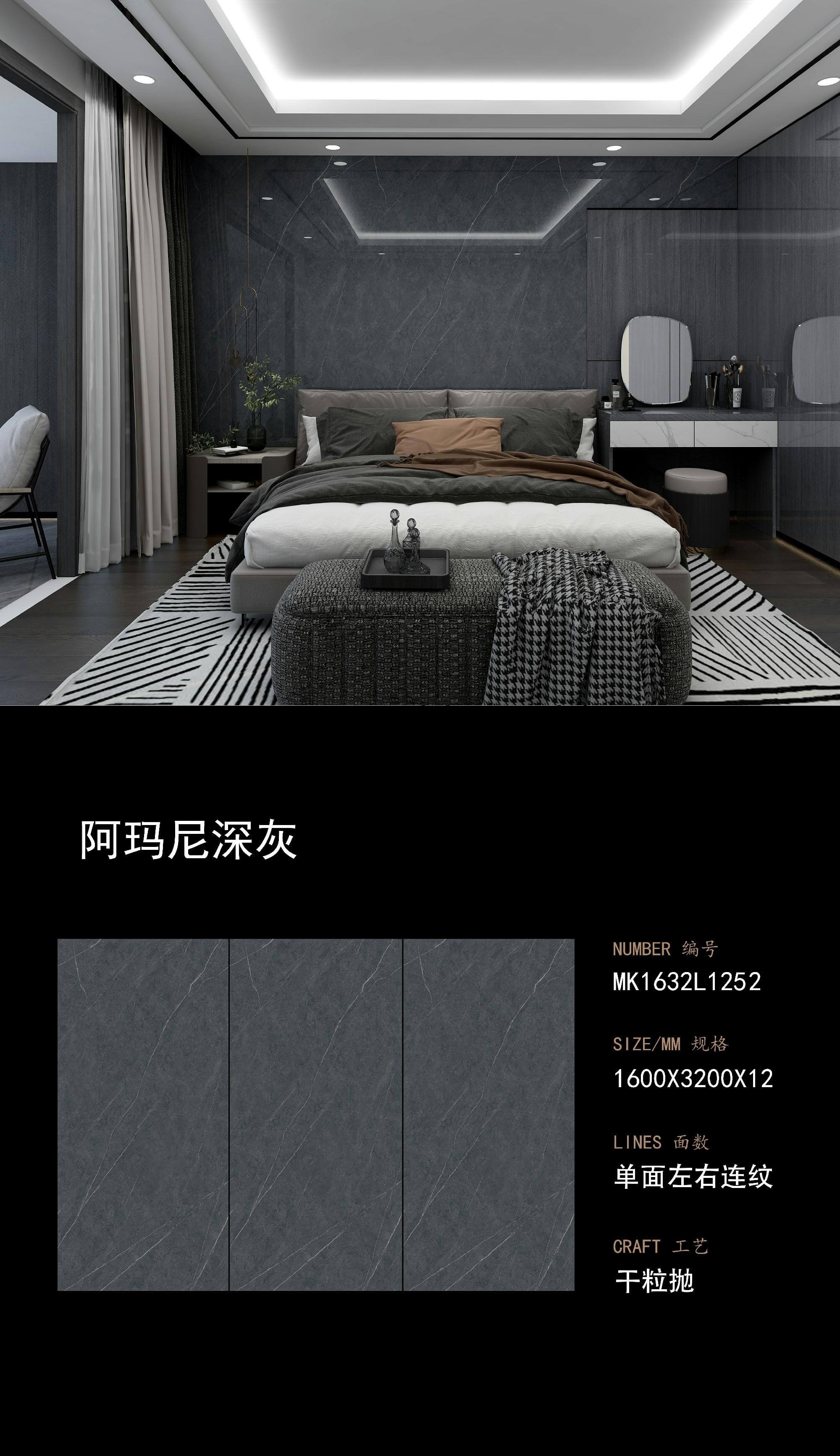
Unmatched Durability: Why Sintered Stone Withstands Daily Wear and Tear
Resistance to Scratches, Heat, and UV Exposure
The way sintered stone is made gives it really good protection against normal day to day wear and tear. This material can handle pretty extreme heat too, staying looking good even when exposed to temperatures as high as 1800 degrees Fahrenheit. And get this, it keeps its colors vibrant for decades when placed in sunlight, which makes it great choice for those outdoor kitchen areas or rooms that get lots of natural light coming through. Compared to regular natural stones, sintered surfaces actually hold up better when knives are used directly on them. Tests showed there were about 89 percent fewer noticeable scratches compared to granite after similar amounts of cutting activity according to research from Kingsun Tile back in 2024.
The Science Behind the Dense, Non-Porous Surface
Manufactured by compressing minerals at 15,000 PSI and 2,500°F, sintered stone achieves near-zero porosity (0.02% water absorption vs. granite’s 0.40%), preventing liquid penetration and inhibiting bacterial growth without sealants. This high-density composition also delivers flexural strength 300% greater than natural stone, significantly reducing the risk of chips and cracks.
Case Study: Kitchen Countertop Performance After Five Years
Looking at 120 households in 2024, researchers noticed that sintered stone countertops kept around 98% of their initial surface quality even after five full years of use. The findings were pretty impressive actually. No signs of heat damage showed up during regular cooking activities. Scratches weren't as noticeable either they appeared about 92% less prominent than those on quartz surfaces. Color remained stable too, with only minor fading detected in south facing kitchens where sunlight exposure was highest at nearly 99.8% retention rate. For people who installed these countertops instead of going for natural stone options, there was real money saved over time. On average, homeowners reported cutting down their annual maintenance costs by roughly $340, which covers things like polishing, sealing, and occasional repairs that traditional stones typically require.
Strategy: Ensuring Longevity Through Professional Installation
Proper installation is critical to preserving durability. Certified technicians using vacuum-lift systems and laser-leveled substrates minimize stress and edge damage during placement. Always verify installer credentials through manufacturer networks, as improper handling accounts for 78% of reported issues.
Minimal Maintenance and Superior Hygiene: Why Sintered Stone Is Easy to Care For
Effortless Cleaning with Just Soap and Water
The non porous nature of sintered stone means regular cleaning is super simple - just grab some mild soap and water. According to research published in the 2024 Material Hygiene Study, people who own this type of stone actually spend around three quarters less time keeping it clean compared to those with natural stone surfaces. Coffee rings and wine spills just sit on top instead of soaking in, so there's no need to drag out strong cleaners or remember when the last seal was applied. That makes sintered stone particularly good for busy families where someone is always spilling something during dinner time or snack breaks.
Non-Absorbent Surface Prevents Stains, Mold, and Bacteria Growth
Because of its super dense construction, this material naturally resists microbes sticking to it. Tests done at Stoneco's own Surface Safety Lab showed something pretty impressive: there were way fewer bacteria colonies growing on these surfaces than regular countertops, actually about 300 times less. When spilled, liquids just sit there as beads rather than soaking in. And since there are no tiny holes where moisture can hide, mold doesn't stand a chance either. That matters a lot in places that get damp all the time, think bathrooms or those kitchens near the beach where salt air hangs around.
FDA Compliance and Safety for Food Preparation Areas
Sintered stone meets U.S. Food and Drug Administration (FDA) standards for food-contact surfaces. Its inert composition remains stable when exposed to acidic foods like citrus or vinegar, with no chemical leaching. Leading manufacturers follow FDA-approved production protocols, ensuring safe, non-toxic performance in all culinary zones.
Case Study: Performance in Allergy-Sensitive and Busy Households
A 2023 survey of 200 allergy-prone homes found a 68% reduction in airborne irritants within six months of switching to sintered stone. One family eliminated recurring respiratory issues linked to bathroom mold after replacing laminate vanities. Seamless joints and easy sanitization also reduced weekly cleaning time by 2.5 hours across active households.
Design Flexibility and Aesthetic Appeal: Why Sintered Stone Fits Any Interior Style
Sintered stone replicates natural materials like marble, granite, and wood with remarkable realism, while offering consistent color and texture across slabs. Advanced digital printing and texturing technologies allow precise recreation of veining, matte finishes, and organic details—aligning with trends identified in the 2024 Interior Materials Report by Lithics Labs.
Mimicking Natural Materials with Consistent Color and Texture
Homeowners can enjoy the elegance of marble without its vulnerability to etching or staining. Through mineral-infused pigments and high-pressure sintering, brands produce uniform patterns that avoid the unpredictability of natural stone—ideal for large-scale or multi-room installations requiring visual continuity.
Digital Printing and Texturing Technologies Behind Realistic Finishes
Modern techniques combine 3D digital printing with mechanical embossing to replicate textures like travertine’s pitting or oak’s grain. These innovations enable large-format slabs (up to 3200 x 1600 mm) with seamless repeats, perfect for open-concept living areas and continuous wall applications.
Case Study: Full Home Renovation with Cohesive Sintered Stone Design
A 2023 Seattle renovation used sintered stone across kitchen counters, bathroom vanities, and accent walls, showcasing its design adaptability. UV-resistant pigments prevented fading in sun-exposed rooms, while the non-porous surface simplified upkeep throughout the home.
Strategy: Matching Finishes to Modern, Minimalist, or Luxury Interiors
Designers recommend matte finishes for minimalist spaces seeking subtle sophistication, while glossy surfaces with metallic veining enhance luxury aesthetics. As noted in Deep Valley Furniture’s 2023 analysis, over 65% of homeowners now favor materials that support flexible, future-proof design transitions.
Eco-Friendly Attributes: Why Sintered Stone Supports Sustainable Renovations
Use of Recycled Raw Materials in Manufacturing
Manufacturers incorporate 60–70% recycled content—such as industrial minerals and post-consumer waste—into sintered stone production. This reduces dependence on virgin quarrying, conserves natural resources, and diverts waste from landfills. According to the Material Sustainability Index study (2023), this approach cuts raw material extraction costs by 34% compared to conventional stone processing.
Energy-Efficient Production and Low Emissions
The sintering process consumes 40% less energy than traditional stone fabrication due to optimized kiln cycles and rapid curing. Integrated dust-capture systems remove 98% of particulates, complying with EPA air quality regulations. These advancements support global carbon reduction goals, as recognized in the 2023 Global Manufacturing Report.
Case Study: Sintered Stone in LEED-Certified Residential Projects
A LEED Platinum apartment complex in Colorado reduced embodied carbon by 22% by specifying sintered stone for countertops, flooring, and façades. Installers reported zero waste on-site, with 95% of offcuts recycled into new slabs—far surpassing natural stone’s typical 30% waste rate.
Trend: Growing Demand from Eco-Conscious Homeowners
Per a 2023 National Association of Home Builders survey, 72% of renovators prioritize materials with third-party sustainability certifications. Sintered stone’s Cradle-to-Cradle Silver rating and Red List Free status make it a top choice for eco-luxury projects aiming to balance performance, beauty, and environmental responsibility.
Versatile Applications Across the Home: Where Sintered Stone Excels
Kitchen Countertops and Islands: High-Performance Surfaces for Culinary Use
With heat resistance up to 1,450°F and a scratch-resistant surface, sintered stone excels in busy kitchens. Its non-porous nature prevents bacterial buildup, and seamless edges simplify sanitation—especially important where raw proteins or acidic ingredients are frequently handled.
Bathroom Vanities and Wall Cladding: Ideal for Moisture-Prone Areas
Completely impervious to water absorption, sintered stone resists warping and mold growth in humid bathrooms. Full-slab installations minimize grout lines in showers and tub surrounds, easing maintenance in spaces exposed to steam for extended periods.
Flooring and Outdoor Spaces: Strength Meets Weather Resistance
Rated at Mohs hardness 7–8—on par with quartzite—sintered stone handles heavy foot traffic in entryways and commercial lobbies. It also performs reliably outdoors, resisting UV degradation and freeze-thaw cycles in climates ranging from -4°F to 122°F.
Furniture and Decorative Accents: Expanding Beyond Traditional Uses
Ultra-thin slabs (as thin as 0.12”) are increasingly used for tabletops, shelving, and feature walls. Bendable variants allow curvatures up to 30°, enabling sculptural designs in reception desks, fireplace surrounds, and backsplashes—merging architectural boldness with industrial resilience.
FAQ
What makes sintered stone more durable than other materials?
Sintered stone's durability is due to its dense, non-porous surface created through high-pressure and high-temperature manufacturing. This makes it resistant to scratches, heat, and UV exposure.
How does sintered stone compare to natural stone in terms of maintenance?
Sintered stone requires less maintenance than natural stone because it's non-porous, resistant to staining, and easy to clean with just soap and water.
Is sintered stone eco-friendly?
Yes, sintered stone is eco-friendly. It incorporates recycled materials and uses energy-efficient production methods, resulting in lower emissions compared to traditional stone fabrication.
Can sintered stone be used in outdoor applications?
Yes, sintered stone is ideal for outdoor applications as it withstands UV exposure and extreme temperatures without degrading.
What are some common applications of sintered stone in the home?
Common applications include kitchen countertops, bathroom vanities, wall cladding, flooring, furniture, and decorative accents.
Table of Contents
- Unmatched Durability: Why Sintered Stone Withstands Daily Wear and Tear
- Minimal Maintenance and Superior Hygiene: Why Sintered Stone Is Easy to Care For
- Effortless Cleaning with Just Soap and Water
- Non-Absorbent Surface Prevents Stains, Mold, and Bacteria Growth
- FDA Compliance and Safety for Food Preparation Areas
- Case Study: Performance in Allergy-Sensitive and Busy Households
- Design Flexibility and Aesthetic Appeal: Why Sintered Stone Fits Any Interior Style
- Eco-Friendly Attributes: Why Sintered Stone Supports Sustainable Renovations
- Versatile Applications Across the Home: Where Sintered Stone Excels
- Kitchen Countertops and Islands: High-Performance Surfaces for Culinary Use
- Bathroom Vanities and Wall Cladding: Ideal for Moisture-Prone Areas
- Flooring and Outdoor Spaces: Strength Meets Weather Resistance
- Furniture and Decorative Accents: Expanding Beyond Traditional Uses
- FAQ